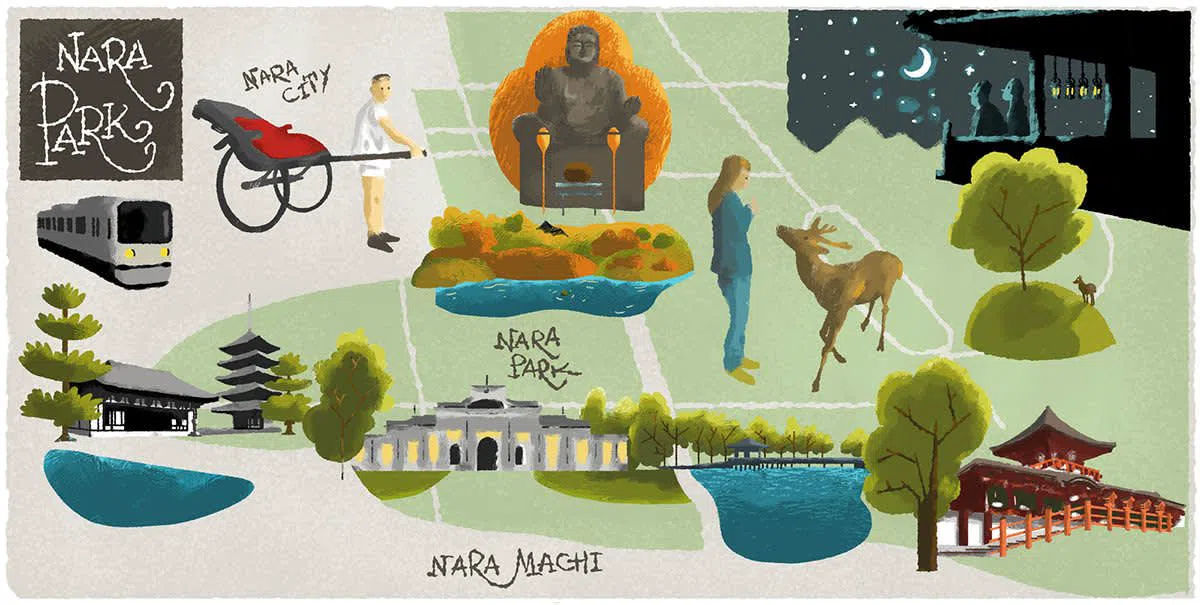

Nara Park does not begin at a gate. You come up from the station, cross one road, and there is a deer standing on the kerb as though it pays rent, then twenty more on the lawn, then the roof of a wooden hall the size of a cathedral showing above the trees. It is an easy morning out of Osaka and a strange one, because almost nothing here is fenced, ticketed or timed, and the animals know it better than you do.
What you are actually walking into
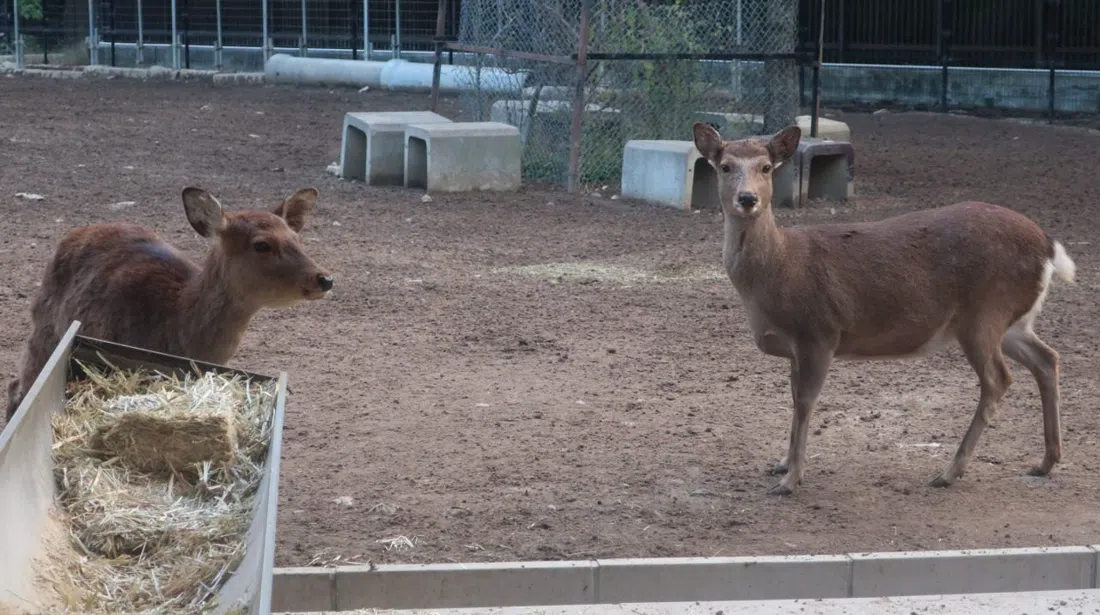
Nara Park (Nara Koen), the open plain between the two Nara stations and the wooded hills behind them, is an unenclosed public park. There is no ticket, no turnstile, no booking and no size limit; guided parties simply form up near Kintetsu Nara Station or the Nara Park Bus Terminal and walk in. About 1,200 wild sika deer live on the grass, protected as national natural monuments, which is the important word: they are wild, they are legally protected, and they are not a petting zoo.
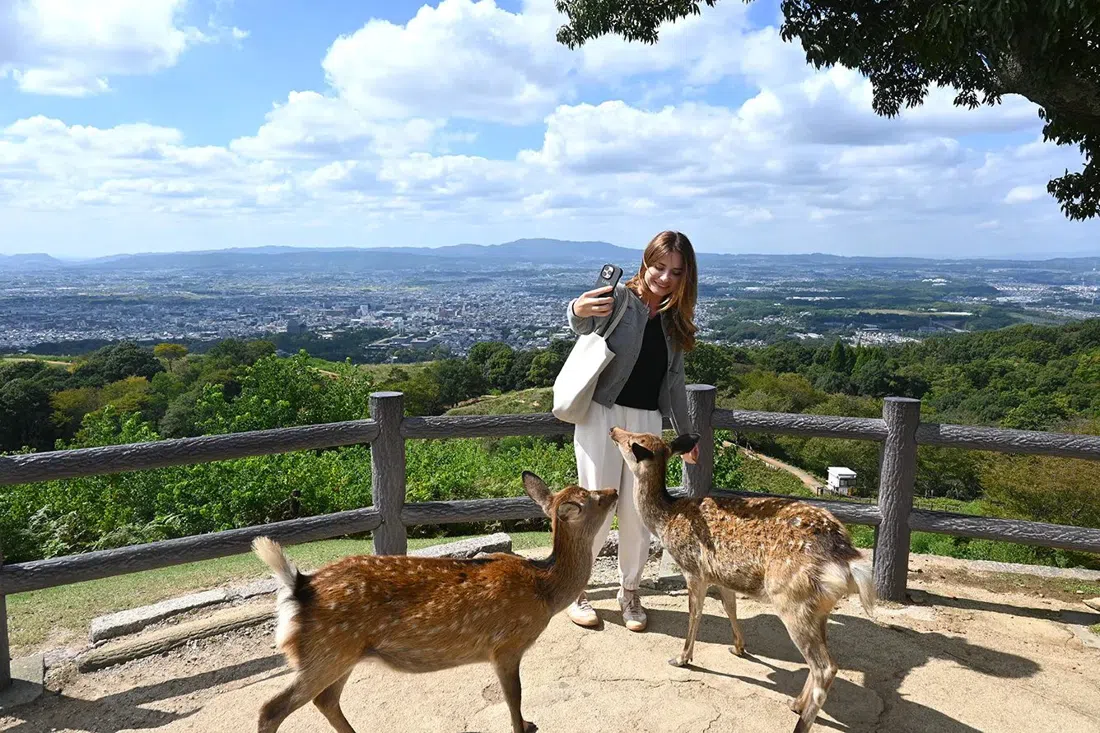
The only food you may offer is shika senbei, the flat deer crackers sold at ¥200 a bundle from licensed stands and vending points. The technique matters. Hold the cracker high so the animal lifts its head, then bring it low and bow back (the bowing is a learned transaction, not a courtesy), and hand the whole bundle over quickly rather than rationing it out. Keep paper maps, paper tickets and open tote bags zipped away. Deer eat paper, and they will take it out of a pocket.
Scattered across that same plain are one of the world's great bronze statues, a lantern-lined shrine, a national museum, two gardens five minutes apart, a bare grass hill and a mochi shop that draws a crowd. You can do the headline pair in half a day. A full day is more comfortable.
The Great Buddha and the 7:30 rule
Todai-ji Temple sits at the northern end of the park, up a wide approach lined with cracker stands. It holds the Daibutsuden, the Great Buddha Hall: the world's largest bronze Buddha seated inside one of the world's largest wooden buildings. The scale does what photographs cannot. You walk in, the roof beams go up and away from you, and the figure's hand alone is the size of a small car.
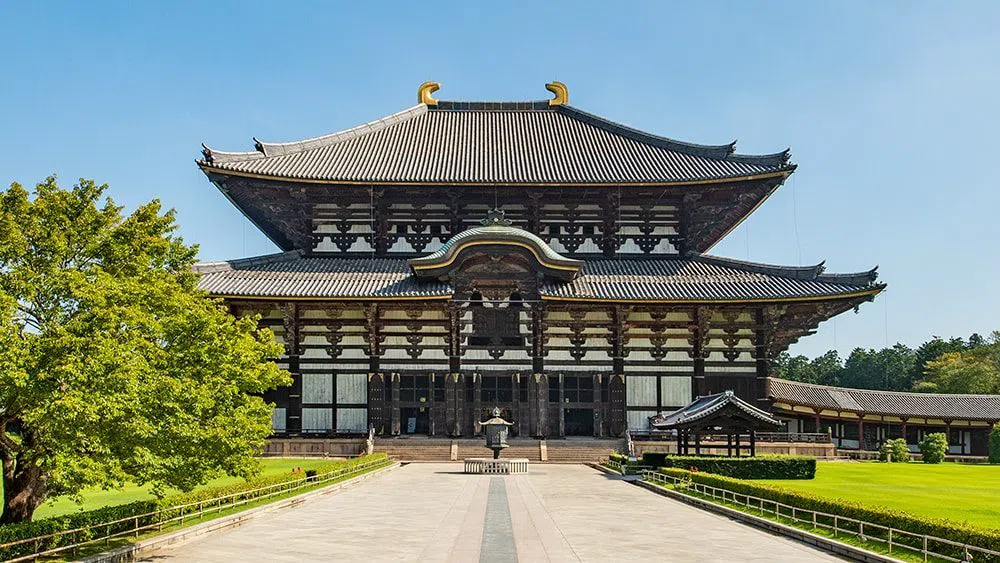
Entry is ¥800 for adults and ¥400 for ages 6 to 12; a joint ticket covering the Hall and the Todai-ji Museum is ¥1,200, or ¥600 for children. The hall opens 7:30 to 17:30 April to October and 8:00 to 17:00 November to March, and that 7:30 opening is the single best queue-beating move in Nara. Arrive for it and you get the hall close to empty. Arrive at 11:00 and you are behind school groups, because this is the one venue in the park built for them: parties of 30 or more get an explicit group rate of ¥700 adult, ¥500 for ages 16 to 18, ¥400 for 13 to 15 and ¥200 for 6 to 12.
Allow 40 minutes to an hour inside, longer if you add the museum.
The balcony that never shuts
From Todai-ji, climb the stone steps behind the hall to Nigatsu-do Hall, the hillside terrace directly above the temple complex. It is free, has no gate, no booking and no size limit, and its veranda gives the best free view in Nara: the park's canopy, the city's low roofs, the hills beyond. Because it sits outside any ticketed hours, it is the counter-programme to the Daibutsuden crowds. It works at sunset and after dark, when everything you paid for has closed.
The honest caveat is width. The veranda and the stairs up to it are narrow, so a large group has to split and stagger rather than arrive as one body. Nigatsu-do is also the stage for the Omizutori fire rite, which runs 1 to 14 March and is next held in 2027.
Lanterns, and a six-armed guardian
Kasuga Taisha Shrine stands at the eastern edge of the park, where the lawns give out and the cedar woods start, and is approached through corridors of stone lanterns that run for most of a kilometre. The outer grounds are free. The inner Special Worship area is ¥700, as are the Kasugataisha Museum and the Man'yo Botanical Garden separately. Worship hours are 6:30 to 17:30 March to October and 7:00 to 17:00 November to February, with the inner area open only 9:00 to 16:00.
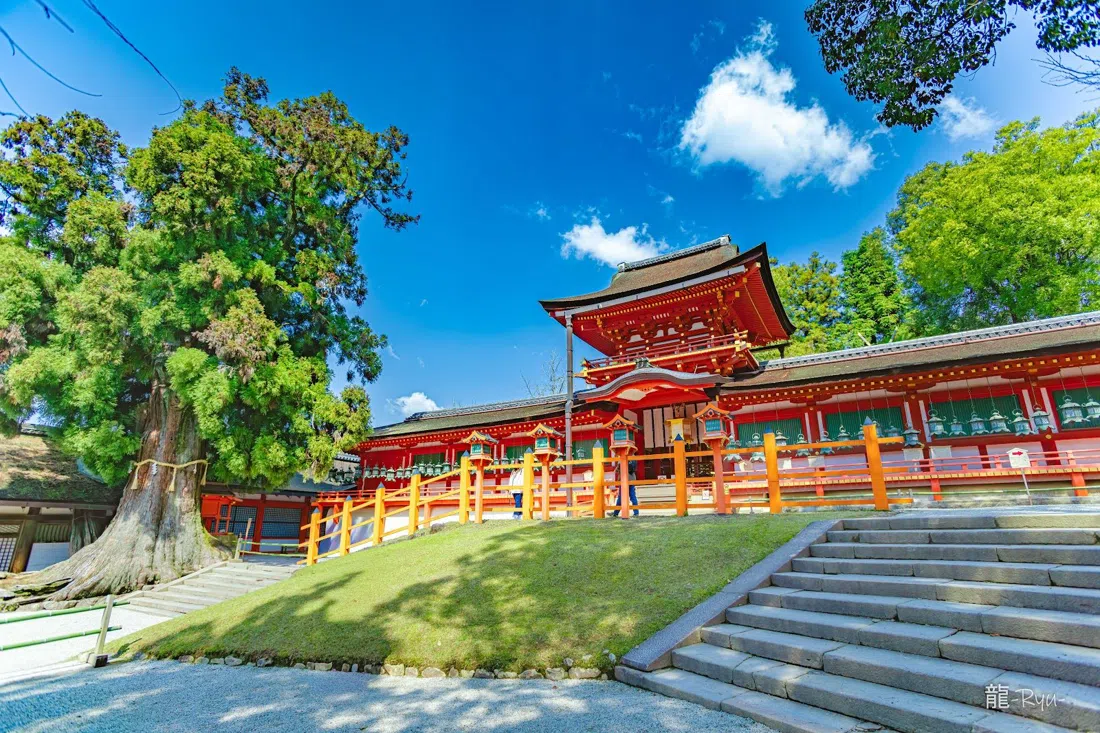
Check the closure list before you build a day around the inner sanctuary: it shuts 8 to 13 March, from 20 December to 7 January, and on the second Monday of January. Groups of 20 or more get ¥600 rates at both the museum and the botanical garden, coach parking runs at ¥1,500 area rates, and there are no drones and no pets.
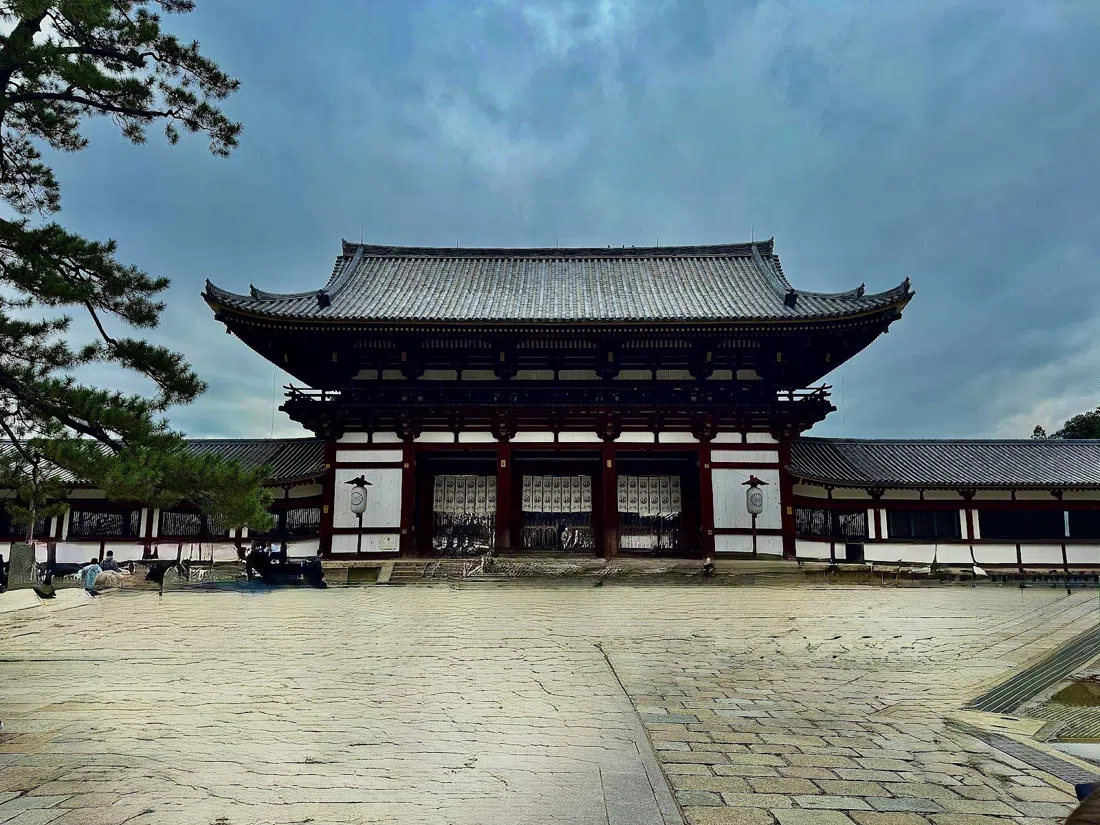
Kofuku-ji Temple holds the park's western edge and is the closest major site to Kintetsu Nara Station. It is open ground with no gate, so you can wander the grounds for nothing. The five-storey pagoda is inside a full temporary roof for its first major repair in roughly 120 years, with the spire due back in 2031 and work running into the 2030s. The reason to pay here is the National Treasure Museum at roughly ¥600 to ¥700, and specifically its Ashura, a three-faced, six-armed figure from the eighth century whose expression has more doubt in it than most modern portraiture. The Central Golden Hall is about ¥500 and the Eastern Golden Hall about ¥300, with an Eastern Hall plus museum combination around ¥900. The museum interior is tight and photography is banned, which keeps it quiet and makes it poor ground for a big group.
The museum with two live caveats
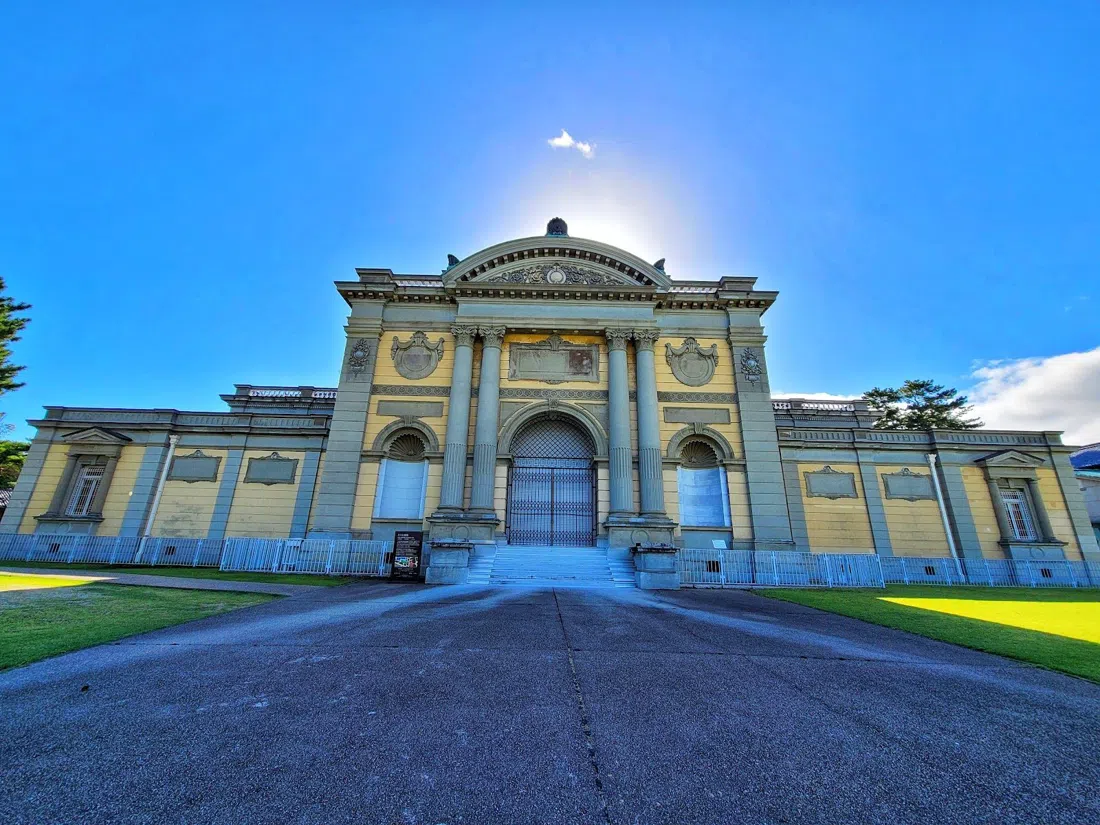
Nara National Museum (Narahaku) faces the park's western lawns across the road from Kofuku-ji, and its regular exhibition costs a modest few hundred yen. The Buddhist Sculpture Hall closed on 14 September 2026 for roughly eighteen months of renovation. And the autumn Shosoin Exhibition, the annual airing of treasures from the eighth-century imperial repository, is the one thing in Nara Park that cannot be walked into: it is advance timed-entry only, so a coach that turns up on spec gets turned away. The 78th Shosoin Treasures exhibition runs 24 October to 9 November 2026 in the East and West New Wings, open daily 8:00 to 18:00 and until 20:00 on Fridays, weekends and holidays. Timed entry is ¥2,000 general, ¥1,500 university and high school, ¥500 junior and elementary, with cheaper late-entry tiers.
Two gardens, five minutes apart
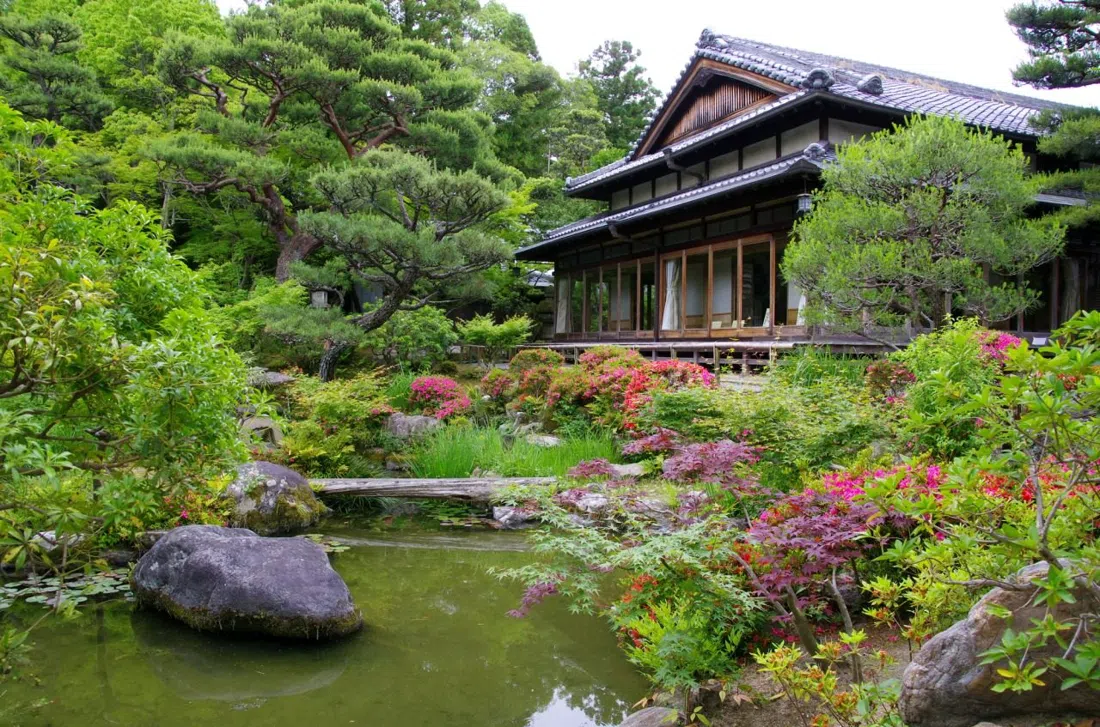
Isuien Garden & Neiraku Museum sits on the lane below Todai-ji's western approach, and it is the quiet paid alternative for exactly the hour when the deer lawns are at their worst. Admission is ¥1,200 adult, ¥500 university and high school, ¥300 elementary and junior high, with the Neiraku Museum's ceramics included; groups of 15 or more pay ¥1,000. Open 9:30 to 16:30 with last entry at 16:00, closed Tuesdays plus maintenance periods in late December to mid-January and the last third of September. Two hard limits: the stepping stones mean wheelchairs cannot be accommodated, and outside food is banned.
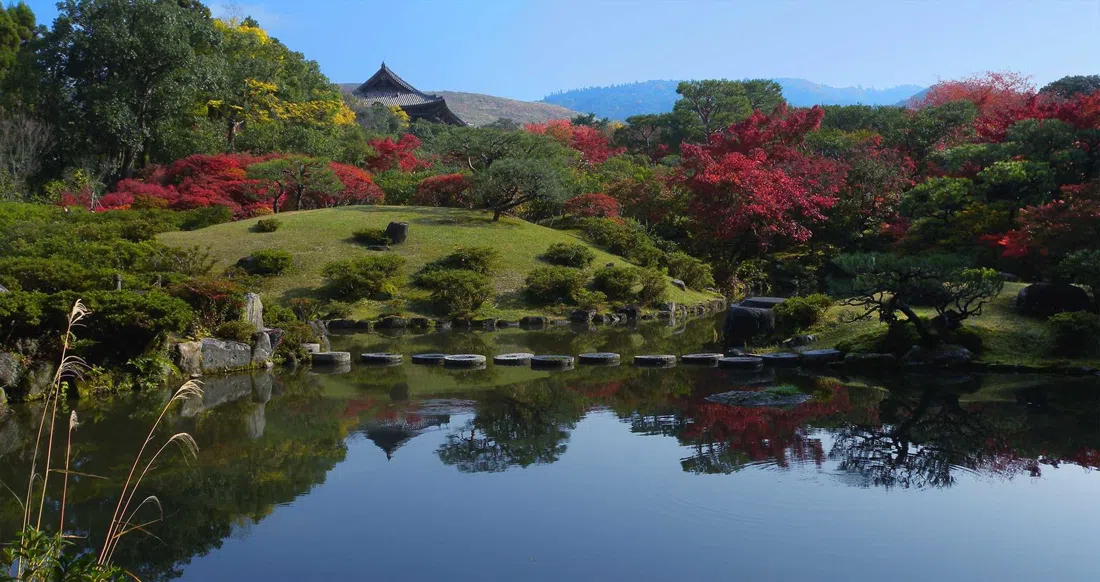
Yoshikien Garden is next door on the same lane and is now free for everyone, which makes its moss garden the best value five minutes in the park. Open 9:00 to 17:00 with last entry 16:30, closed only 24 to 28 February for maintenance; the tea room is by reservation. It is small and hushed by design: a couple will love it, and a loud group of thirty will swamp it.
The hill, on foot or by bus
Mount Wakakusa (Wakakusayama) is the bald grass dome closing the park's eastern end, and the climb buys you the whole basin in one sweep. Entry is ¥150 for adults and ¥80 at elementary age. The season runs from the third Saturday of March to the second Sunday of December, 9:00 to 17:00, and the hill is shut through the winter off-season, including for the late-January Yamayaki, when the grass is burned off and watched from elsewhere in the park rather than from the hill itself. The walk is short but it is steep grass, which is fine in trainers and unpleasant in anything else.
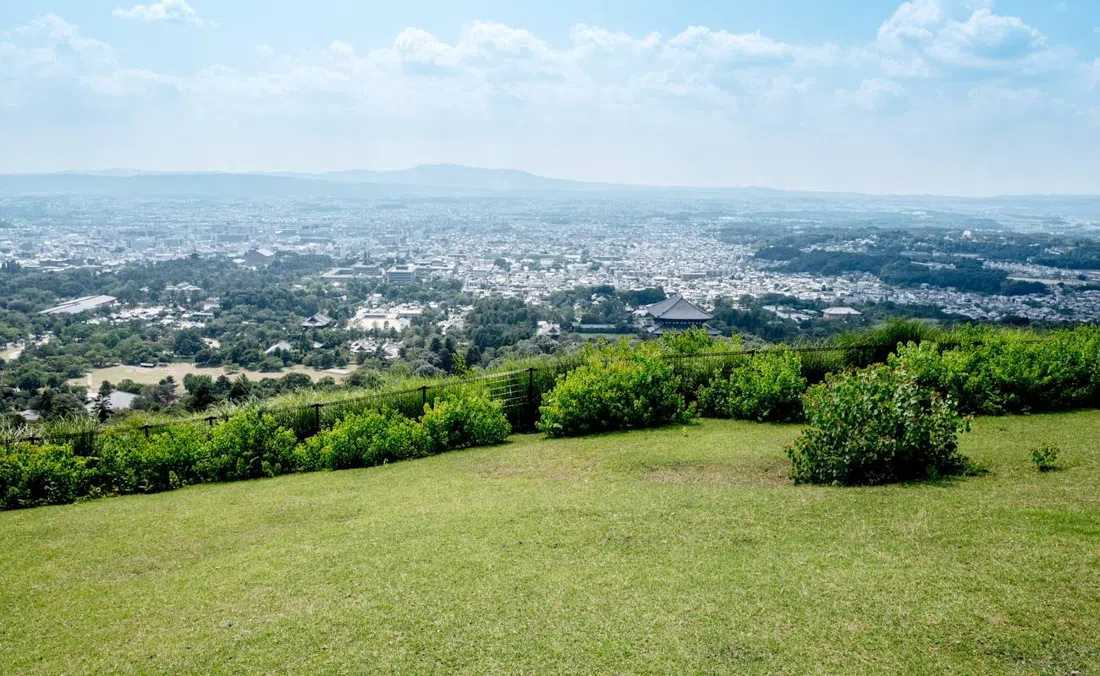
If that rules anyone out, the Wakakusa Hilltop Bus (Nara Kotsu) leaves from both JR Nara and Kintetsu Nara and drives to the summit instead. It is reservation-based and bookable by groups, with four departures a day: 10:05, 12:05, 14:05 and 16:05 from JR Nara, and 10:10, 12:10, 14:10 and 16:10 from Kintetsu Nara. Round trip is about 1h45 with roughly 45 minutes at the top, at ¥2,000 adult (12+) and ¥1,000 child (6 to 11). It runs daily from 1 April to 12 December 2026, and it is the cleanest way to give a mixed-ability group the same panorama.
Where the deer question gets answered
Rokuen, the Deer Garden run by the Nara Deer Preservation Foundation beside the Kasuga approach, is where the obvious question (why are there deer here at all) gets an answer, and where sick and injured animals are treated. Entry is free with a suggested ¥100 contribution, 10:00 to 16:00, closed Mondays, during the early-October antler cutting and from 29 December to 3 January. There is paid admission during the June fawn open house and the October antler cutting, and both events create a real bottleneck at the viewing area. Walk-ins including groups are fine the rest of the year.
Dawn, dusk and a pavilion on a pond
Ukimido Pavilion stands on Sagi-ike Pond in the middle of the park, built in 1916, open 24 hours, free, and lit until 22:00. It is the stop that still works when everything ticketed has shut. Misty dawn with deer along the bank is the photograph people come for, and in early August the Nara Tokae candle festival lights the water. The footbridge and the pavilion floor are both small, so groups rotate through rather than gather.
Tea, mochi and the lanes
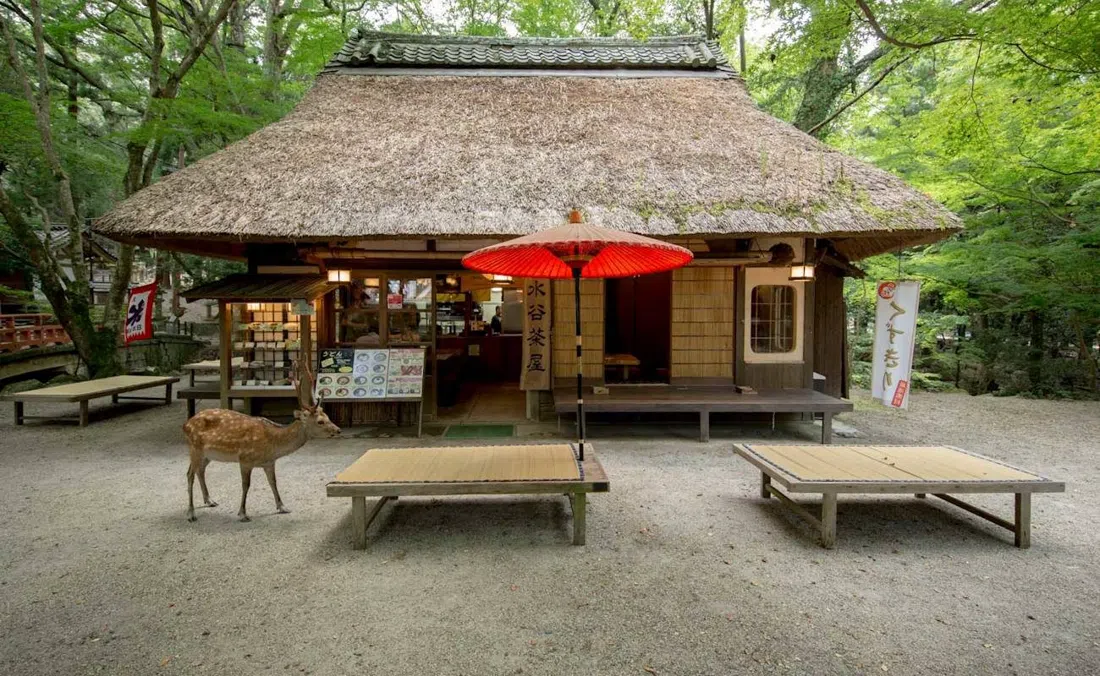
Mizuya Chaya is a tiny streamside teahouse with outdoor benches on the walking route between Todai-ji and Kasuga Taisha, serving since 1948. Kasugano warabimochi runs around ¥800, with udon, soba and kakigori in the same band; open 11:00 to 16:00 and closed Tuesdays and Wednesdays. It is the only place in the park where stopping feels like part of the day rather than a queue, and it seats a handful of people, not a coach party.
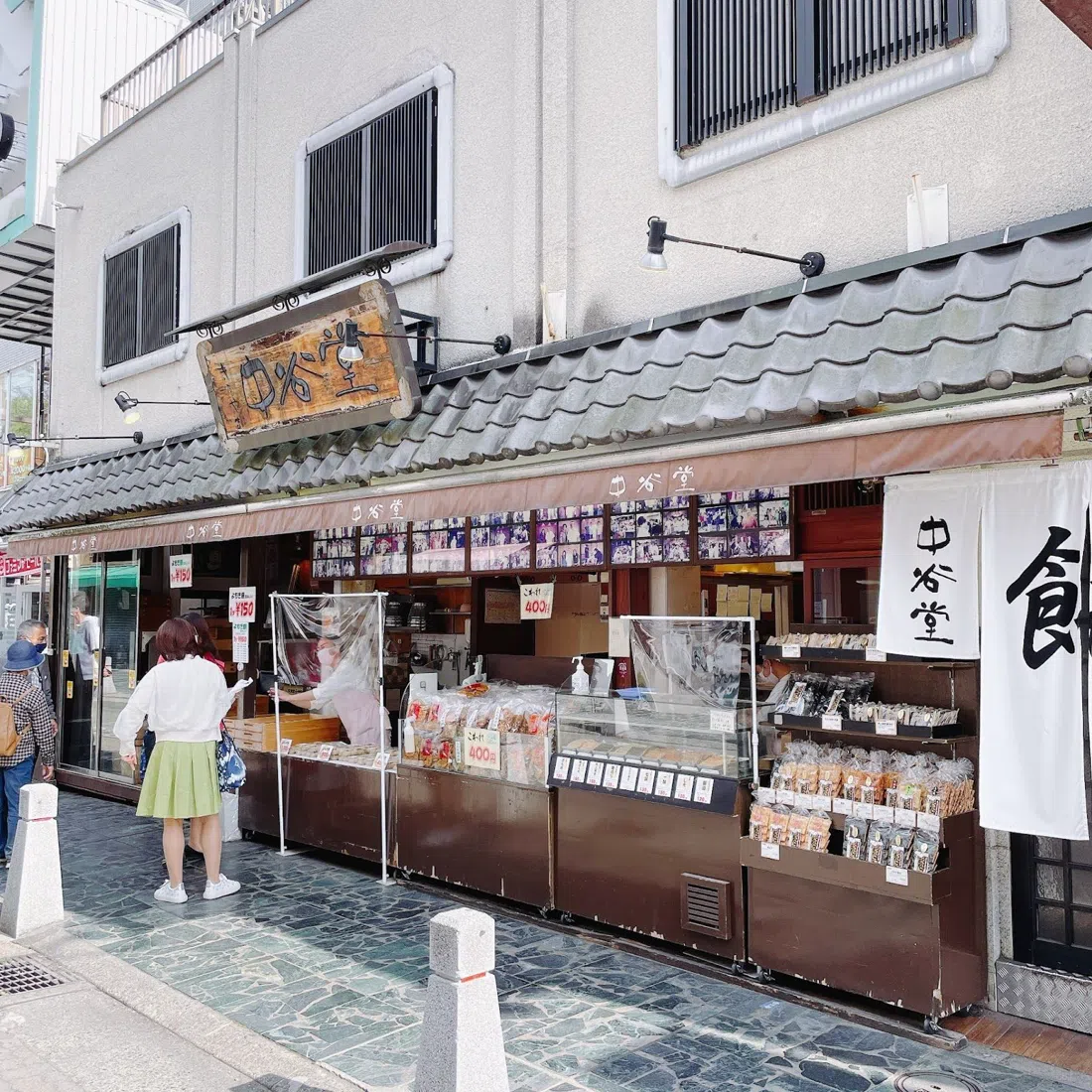
Down in the town, Nakatanidou on Sanjo-dori pounds mochi at speed in the shop window, free to watch from the street. There is no fixed timetable: batches are made to demand, most often late morning through early afternoon and more frequently at weekends, so check the shop's own social feed on the day rather than trusting a posted schedule. The pavement is narrow, so stand well back from the mallets. A few hundred yen buys you one.
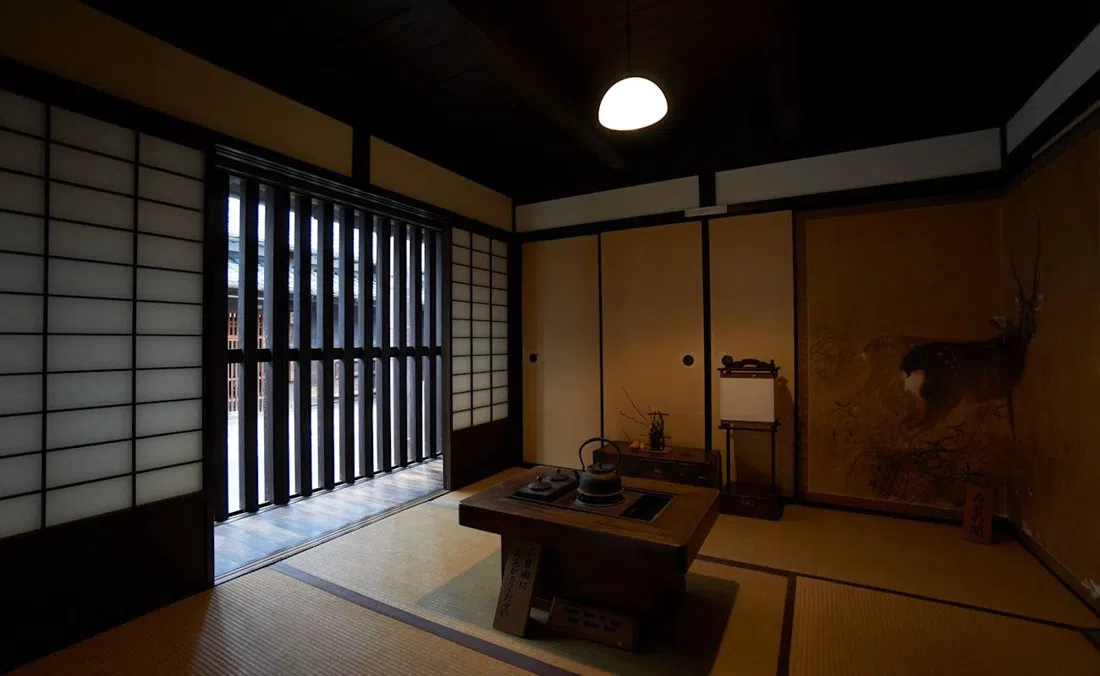
South of there, Naramachi Koshi-no-Ie (Lattice House) in the Naramachi merchant lanes is a free, restored townhouse you enter with your shoes off: 9:00 to 17:00, closed Mondays (Tuesday when Monday is a holiday), the day after public holidays and 26 December to 5 January. It is very narrow inside, so small groups only. Naramachi is where people go once they have run out of temples, and it is the right end to the day.
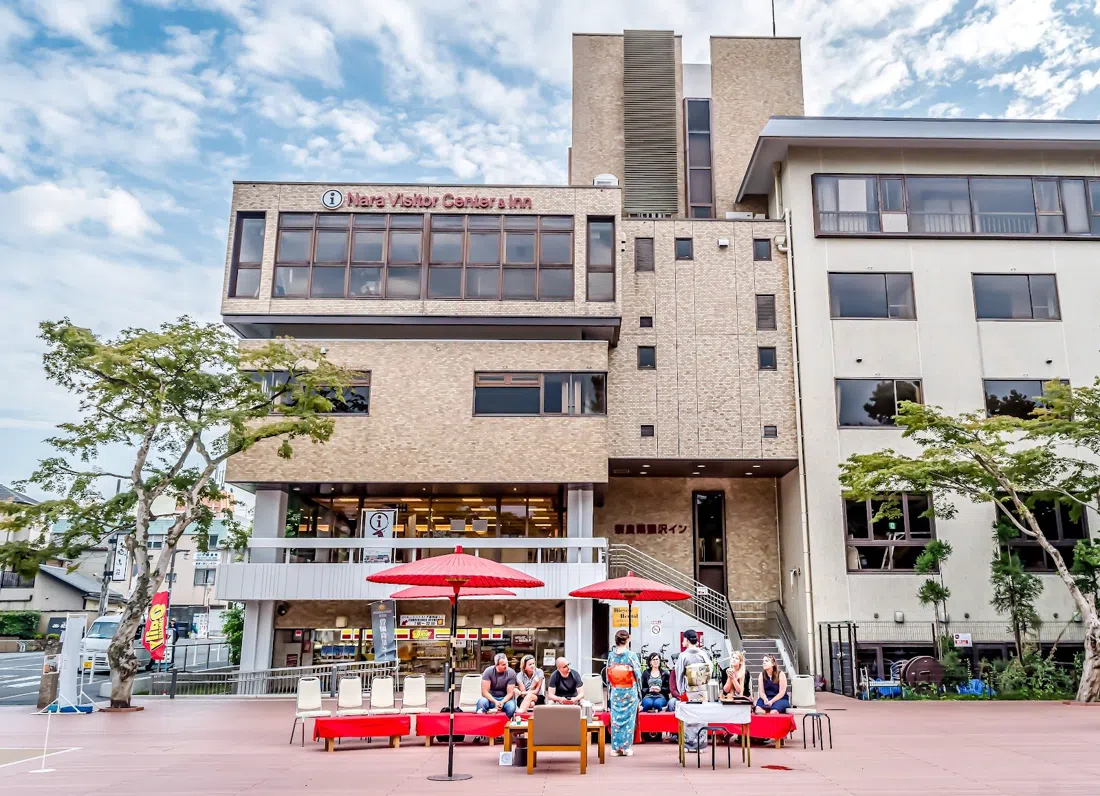
One practical stop before all of it: the NARA Visitor Center & Inn, between the stations and the park, has free luggage storage, wifi, currency exchange and a prayer room, plus free origami, calligraphy and ikebana sessions and a bookable English-language tea ceremony. Drop your bags there rather than carrying them among animals that chew everything.
Tickets at the door or a guided morning
Almost everything here is pay-at-the-door and needs no forward planning. The two exceptions are the Shosoin timed entry and the hilltop bus reservation. If you would rather not work out trains and opening times at 6am, a guided option exists and runs seven days a week, from about 62 USD per person; the best-rated one holds 4.9 out of 5 from 1,139 reviews. What you are buying is the early start and the logistics, not access. You can reach the same 7:30 hall on a public train for the price of a ticket.
Is it worth it
Yes, with one caveat. The deer are the draw and also the thing most likely to disappoint, because they are not gentle and they will crowd you the moment a cracker appears; anyone nervous around large animals should feed once, early, in an open space and then move on. Everything else earns its place. Todai-ji at opening time is one of the few sights that survives its own reputation, Kasuga Taisha's lantern corridors reward slow walking, and the Ashura at Kofuku-ji is the best half hour in Nara that nobody queues for.
It suits families, since the whole day is outdoors and free at the edges, and couples if you weight it towards Yoshikien, Isuien and a dawn hour at Ukimido. Large groups do better here than at most historic sites, thanks to Todai-ji's 30-plus rate and the summit bus. Skip Isuien if anyone uses a wheelchair, skip the hill if the grass is wet, and do not build the day around Kofuku-ji's pagoda while the scaffolding roof is up.
Best time to go
Early morning wins outright. Be at Todai-ji for the 7:30 opening from April to October or 8:00 in winter, and you will have the Great Buddha, the light and the calmer deer to yourself before the first coaches land. The second-best window is the last 90 minutes of daylight, when the ticketed halls are emptying and Nigatsu-do and Ukimido, neither of which closes, take over.
Weekdays are noticeably easier than weekends, though term-time weekday mornings bring school parties to Todai-ji specifically. Late October to late November is the finest season and the busiest, and it collides with the Shosoin timed-entry run. Late March into April brings blossom and the same crowds. Winter is the quietest, with shorter temple hours and Mount Wakakusa closed from mid-December. High summer is hot and humid, which argues for a 7:30 start, a long lunch in the shade and the Tokae candles in early August rather than an afternoon on the hill. Check the second Monday of January and the 20 December to 7 January window if the Kasuga inner sanctuary matters to you.
Practical close
From Osaka, trains run from the Namba area to Kintetsu Nara in a little over half an hour, or from Osaka Station to JR Nara in roughly 45 to 50 minutes. Kintetsu Nara puts you a five-minute walk from the park's western edge; JR Nara is about 15 minutes out, or the start point for the hilltop bus. Inside the park you walk: the two headline sites are about 25 minutes apart on foot, and the full loop from Kofuku-ji to Kasuga Taisha and back is comfortable in a day.
Carry cash. Deer crackers at ¥200, the ¥150 hill fee and the ¥100 contribution at Rokuen are all small-coin transactions, and while temple ticket windows are used to cards, the stands are not. Wear shoes you can climb wet grass in and take a bag that zips.
Budget, per adult: nothing at all if you stick to the park, Nigatsu-do, Yoshikien, Ukimido, Naramachi and Kasuga's outer grounds. Around ¥2,500 to ¥3,000 for the realistic day: Todai-ji at ¥800, the Kofuku-ji museum at about ¥600 to ¥700, Kasuga's inner area at ¥700, crackers and tea. Closer to ¥5,000 if you add Isuien and the museum, and ¥2,000 more per head for the summit bus.
It is a day trip, not an overnight. Most people base themselves in the city and come out for the morning, so start with an Osaka hotel search and read the wider Osaka guide for where to put the rest of the week.